
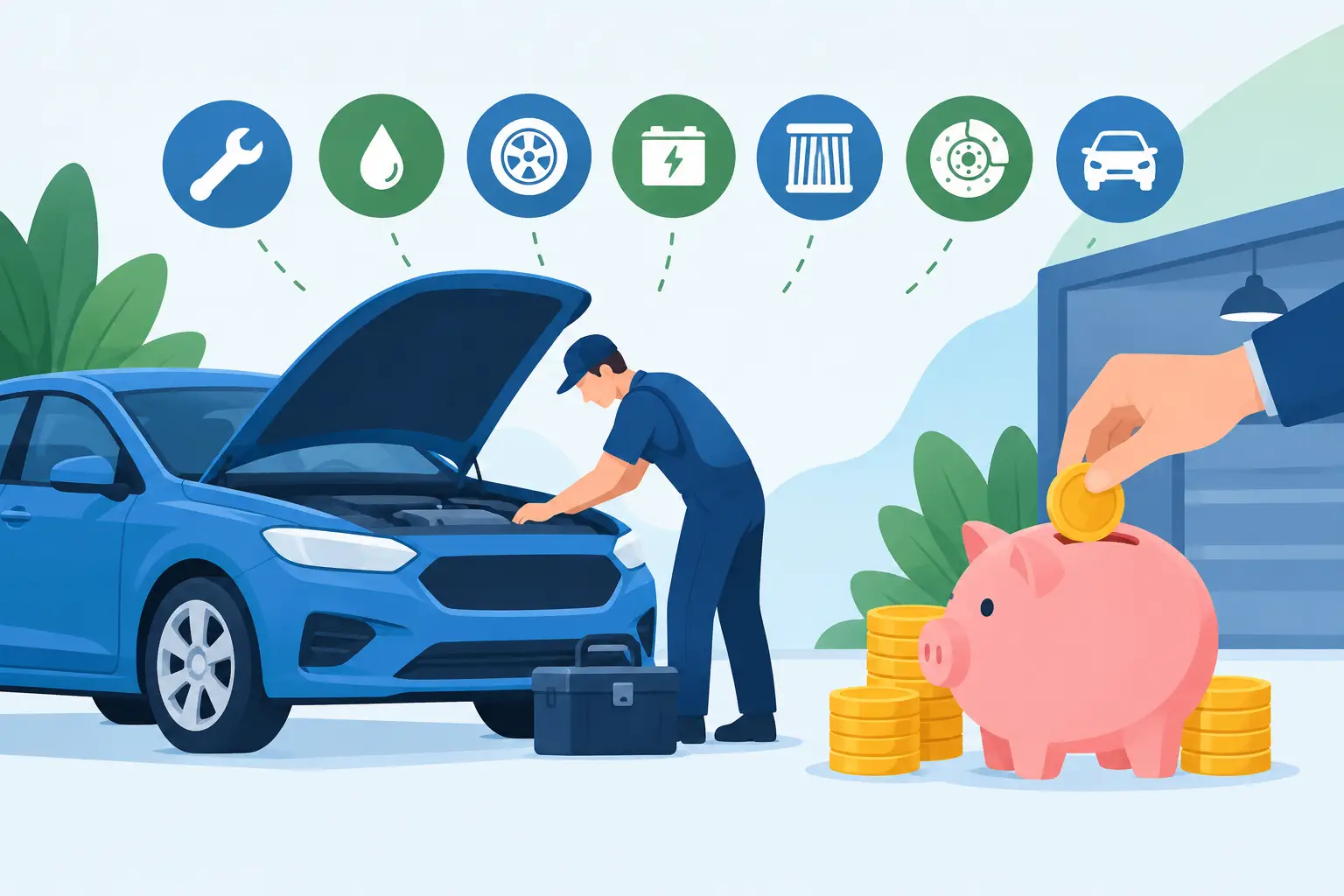
7 Ways to Save on Routine Maintenance Costs
In this article
- 1. Treat maintenance like a planned expense
- 2. Compare what the service actually includes
- 3. Use local deals before the appointment is urgent
- 4. Do the small checks that prevent expensive calls
- 5. Follow the schedule, not the sales pitch
- How to save on routine maintenance without cutting corners
- 6. Buy the right parts, not just the cheapest parts
- 7. Make seasonal maintenance work for your budget
- Keep the next repair from becoming a financial surprise
A $40 oil change can turn into a $700 repair when it gets pushed off for too long. The same goes for worn brake pads, clogged HVAC filters, leaking faucets, and appliances that start making a new noise. The good news is that you can save on routine maintenance without skipping the services that keep your car, home, and everyday essentials running right.
The goal is not to choose the cheapest option every time. It is to catch small needs early, compare nearby offers, and pay less for work you were going to need anyway.
1. Treat maintenance like a planned expense
Routine maintenance feels expensive when it arrives as a surprise. A better move is to build it into your monthly budget, even if the appointment is still weeks away. Set aside a small amount for car care, home upkeep, and seasonal services instead of waiting for a warning light or a breakdown.
For example, if you know your vehicle needs an oil change every few months, start looking for local offers before the service is urgent. That gives you time to compare prices, check what is included, and choose an appointment that works for your schedule. Last-minute repairs rarely come with the same flexibility.
A simple phone reminder can do the job. Add recurring alerts for oil changes, tire rotations, air filter replacements, furnace inspections, and any service recommended in your owner’s manual. When the reminder appears, you are ready to shop instead of scrambling.
2. Compare what the service actually includes
A low advertised price can be a great deal, but only if it covers what your vehicle or home actually needs. Before you book, check the details. Does an oil change include the filter and disposal fee? Does a tire service include balancing? Is a tune-up price for basic inspection only, or does it include replacement parts?
This is where comparing local deals pays off. Two offers may look similar at first, but one can include labor, materials, or a multi-point inspection that would cost extra elsewhere. On the other hand, do not pay for a package full of services you do not need just because it sounds comprehensive.
Ask one direct question before approving work: “What is included in this price, and what could be added?” Clear pricing helps you avoid the checkout surprise that makes a discount disappear.
3. Use local deals before the appointment is urgent
The best time to find a maintenance deal is before the problem becomes urgent. Merchants often run promotions to fill slower days, attract first-time customers, or bring back regular customers. Those offers are much easier to use when you have a little time to choose.
Mobile Coupon makes that process quick: browse nearby service offers on your phone, find a deal that fits your needs, and redeem it without carrying paper coupons. Whether you are looking for car care, appliance service, beauty upkeep, or everyday household savings, mobile access makes it easier to check deals when you are already out and about.
Keep in mind that the lowest price is not always the best fit. A shop across town might offer a bigger discount, but a trusted provider near your commute could save you time, gas, and hassle. Value includes the total cost of getting the job done.
4. Do the small checks that prevent expensive calls
You do not need to become a mechanic or a handyman to spot basic issues early. A few quick checks can help you catch trouble before it turns into an emergency appointment.
Check your car’s tire pressure, fluid levels, dashboard lights, and windshield wipers regularly. At home, pay attention to filters, drains, caulking, smoke detector batteries, and changes in water pressure. These tasks are usually inexpensive, but ignoring them can put strain on larger systems.
Watch for these signs that it is time to schedule service:
- A new grinding, squealing, rattling, or burning smell
- Warning lights, recurring leaks, or a sudden drop in performance
- Higher utility bills without a clear reason
- Appliances that run longer, get hotter, or make unfamiliar noises
Early action does not guarantee a cheap fix, but it often gives you more options. You can compare providers, look for a local promotion, and schedule service before the issue causes more damage.
5. Follow the schedule, not the sales pitch
Maintenance schedules exist for a reason, but they are not a blank check for every recommended add-on. Your vehicle’s owner’s manual and your appliance manufacturer’s guidance are useful starting points for deciding what needs attention and when.
If a service advisor recommends extra work, ask why it is needed now. Request that they show you the worn part, explain the risk of waiting, and give you a written estimate. A reputable provider should be comfortable answering those questions.
There is a trade-off here. Saying no to every recommendation can lead to bigger problems later, while saying yes to every suggestion can drain your budget. The smart middle ground is to approve safety-critical or manufacturer-scheduled work, then take time to research non-urgent items.
How to save on routine maintenance without cutting corners
Saving money should never mean delaying work that protects your safety, your property, or your ability to get to work. Brake issues, electrical problems, gas smells, major leaks, and overheating need prompt attention. A coupon is helpful, but it should not slow down an urgent repair.
For routine work, though, a few habits can make a noticeable difference over a year. Bundle services when it makes sense, such as pairing a tire rotation with an oil change. Use promotions for predictable needs. Keep receipts and service records so you do not pay twice for the same work. And take advantage of warranty coverage when it applies.
It also helps to build a short list of providers you trust. A reliable local shop that knows your service history may spot patterns early and help you prioritize what matters most. Loyalty can be valuable, especially when it comes with clear recommendations and fair pricing.
6. Buy the right parts, not just the cheapest parts
When a repair needs a replacement part, you may have choices: original equipment, aftermarket, refurbished, or premium upgrades. The right choice depends on the item, the age of your vehicle or appliance, and how long you plan to keep it.
For a basic filter or wiper blade, an affordable quality option may be perfectly reasonable. For a critical safety component or a part that is difficult to access, paying more for dependable quality can prevent repeat labor costs. A cheap part is not a bargain if you have to replace it again in a few months.
Ask about the part warranty and the labor warranty separately. They are not always the same. Knowing what is covered gives you a better way to compare quotes than focusing on one number alone.
7. Make seasonal maintenance work for your budget
Season changes are a natural trigger for maintenance spending. Hot weather can expose weak batteries and air conditioning issues. Cold weather can reveal tire, heating, and insulation problems. Planning ahead lets you handle these needs before demand rises.
Look for service deals during shoulder seasons, when providers may be less busy. Schedule an HVAC check before the first heat wave or cold snap. Check your tires before severe weather arrives. Clean gutters and inspect weather stripping before a major storm, not after water has already found a way in.
Seasonal planning also spreads out expenses. Instead of doing every home and vehicle task in one costly weekend, assign a few jobs to each month. Your budget stays steadier, and important work is less likely to be forgotten.
Keep the next repair from becoming a financial surprise
The money-saving move is often simple: pay attention early, plan ahead, and check local offers before you book. Keep your reminders active, save your service records, and look for discounts when the job is routine rather than urgent. A few minutes on your phone today can help protect your budget from a much bigger bill tomorrow.
Live deals for car care
Real coupons from local stores. Free to claim.