
Merchant Acquisition Channels That Drive Local Sales
In this article
A quiet Tuesday, a few open appointment slots, or slow-moving inventory can cost a local business more than it seems. The right merchant acquisition channels put a timely offer in front of people who are already nearby, already shopping, and ready to act. For local merchants, the goal is not more marketing noise. It is more customers walking in, booking, calling, or checking out.
A good channel does not just create visibility. It creates measurable action. That might mean a first-time customer redeeming an oil change deal, a family choosing a nearby restaurant, or a shopper purchasing a discounted appliance before the promotion ends. The best mix depends on your business, your margins, your service area, and how quickly you need results.
What Are Merchant Acquisition Channels?
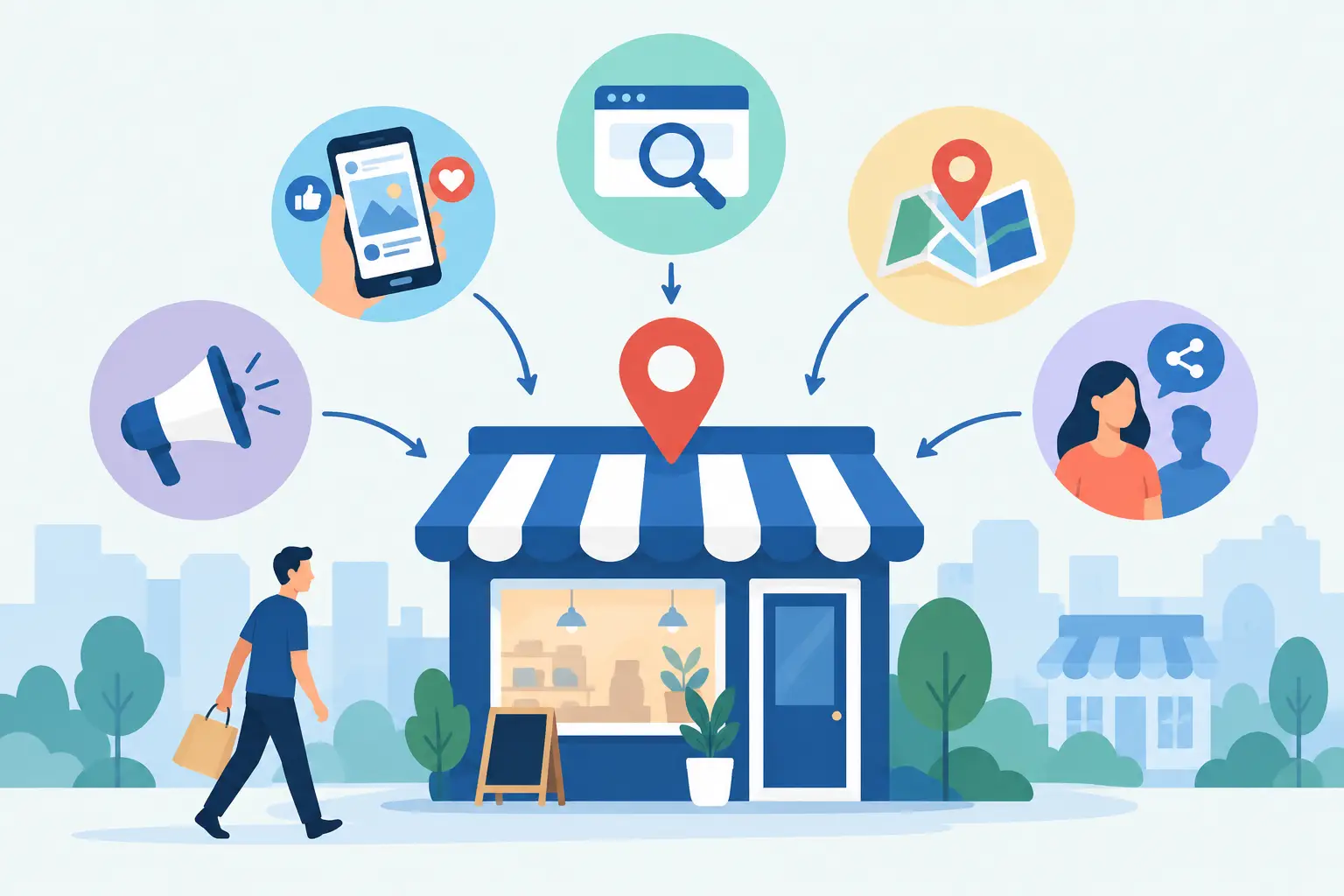
Merchant acquisition channels are the places and methods businesses use to attract new customers. They include digital deal platforms, local search, paid social ads, email campaigns, referral programs, community partnerships, and in-store promotion.
For a local business, every channel should answer one practical question: can it bring in customers at a cost that makes sense? A campaign that gets thousands of views but produces no redemptions may look busy without growing revenue. A smaller campaign that fills empty service slots can be far more valuable.
Mobile-first deal platforms are especially useful when shoppers are actively looking for value. Someone searching for a car wash, salon service, grocery deal, or weekend activity is not just browsing content. They are close to a buying decision. A clear offer can move that decision fast.
The Merchant Acquisition Channels That Work Locally
Digital coupon and deal platforms
Digital coupon platforms connect merchants with shoppers who expect promotions and want easy savings. This makes them a strong fit for restaurants, auto services, beauty businesses, retail stores, entertainment venues, home services, and other everyday categories.
The advantage is intent. Deal-seeking customers are open to trying a new business when the value is clear. Your offer can also create urgency through a limited-time promotion, seasonal service, weekday special, or introductory discount.
Keep the offer simple. “Save $15 on an oil change” is easier to understand than a long string of exclusions and conditions. Customers should know what they get, what it costs, and how to redeem it from their phone in seconds. No paper, no hassle, just tap and save.
Mobile Coupon gives local merchants a way to feature promotions where value-focused shoppers can discover them by category and location. That visibility can be especially useful when you want to reach new customers without waiting for organic awareness to build over months.
Local search and map listings
When someone searches “brake service near me” or “best haircut near me,” they often need an answer now. A complete local listing helps your business show up at that moment. Keep your business hours, phone number, address, service categories, photos, and customer reviews current.
Local search works best for businesses with steady demand, such as dental offices, repair shops, salons, fitness studios, and restaurants. It is less effective as a standalone channel when shoppers do not yet know they need your category. That is where a promotional offer can create the initial reason to visit.
Think of local search as the channel that captures existing demand. Deal channels can help create demand by giving customers a reason to choose you over a familiar competitor.
Paid social advertising
Social ads can target people by area, interests, behavior, and broad demographic details. A gym can promote a trial offer within a few miles of its location. A boutique can run a weekend sale for nearby shoppers. A restaurant can highlight a lunch special during the hours when nearby workers are deciding where to eat.
The trade-off is that social media users are not always ready to buy. Great creative can stop the scroll, but an unclear offer or slow mobile landing page will waste ad spend. Keep the message short, visual, and direct: show the service, state the savings, and give people one next step.
For businesses with a very limited budget, testing a small geographic radius and one strong offer is often smarter than trying to reach an entire city at once.
Customer referrals and loyalty offers
Your current customers can be an efficient acquisition channel, particularly for service businesses built on trust. A referral offer gives happy customers a reason to tell friends, coworkers, and family. The reward does not need to be large. A credit toward a future visit, a free add-on, or a member-only deal can work when it feels worthwhile.
Loyalty programs are different but connected. They help turn a first-time deal redemption into a second and third purchase. If you spend money to attract a new customer, do not let the relationship end at checkout. Collect permission for text or email updates, invite them back with a relevant offer, and make repeat visits easy.
Community partnerships
Local partnerships can bring in qualified customers without requiring a huge ad budget. A daycare can partner with a family restaurant. A real estate office can offer new-homeowner deals from local cleaners, movers, hardware stores, and service providers. A fitness studio can team up with a healthy meal business.
These partnerships work when the audiences overlap without directly competing. They are most useful when both businesses can make a clear, practical offer to the other’s customers. Avoid vague cross-promotion. Give people a specific reason to act, such as a welcome discount, bundled service, or limited-time perk.
How to Choose the Right Channel Mix
Do not spread your budget across every possible channel. Start with the customer you want more of. If you run a salon, you may need weekday appointments filled. If you own a tire shop, you may want first-time customers before winter. If you sell retail products, you may need to move seasonal inventory quickly.
Then match the channel to the buying moment. Local search is useful for urgent needs. Social ads are useful for awareness and visual products. Coupon platforms are useful for price-sensitive shoppers and time-sensitive promotions. Referrals are useful when trust drives the purchase.
Your offer matters as much as the channel. Deep discounts can bring rapid traffic, but they can also cut too far into margin or attract customers who never return. A better approach may be an introductory offer tied to a high-value service, an add-on, or a minimum purchase. For example, a detailing shop may offer a discounted interior clean rather than heavily discounting its most profitable full-service package.
Measure More Than Clicks
A merchant acquisition campaign should be tracked from exposure to redemption and beyond. Watch how many people view the offer, save it, redeem it, and return for another purchase. Also track average order value, upsells, and the cost to acquire each new customer.
The numbers will tell you whether a channel is driving real growth. If a promotion generates many redemptions but low profit, adjust the offer terms, target a different customer segment, or use it during slower hours. If fewer people redeem but those customers spend more and return often, the channel may be stronger than it first appears.
Ask staff one simple question at checkout: “How did you hear about us?” This small habit can reveal which campaigns customers actually remember, especially when several local marketing efforts run at the same time.
Make Redemption Easy
Every extra step reduces conversion. If customers need to print a coupon, remember a code, create an account, or ask an employee for clarification, some will leave before completing the purchase. Mobile redemption should be clear enough that both the shopper and your staff understand it immediately.
Train your team before a promotion goes live. They should know the offer details, expiration date, exclusions, and how to handle a customer showing a deal on their phone. A smooth first visit makes customers more likely to return. A confusing redemption experience can erase the value of even the best promotion.
The strongest merchant acquisition channel is the one that fits your business right now, reaches people likely to buy, and gives them a simple reason to choose you. Start with one focused offer, make it easy to redeem, and use what customers do next to shape your next promotion.
Put these ideas to work on Mobile Coupon
Post a deal in minutes. Shoppers near your store see it in the app and on mobilecoupon.ca, and your followers get a notification.
List your business